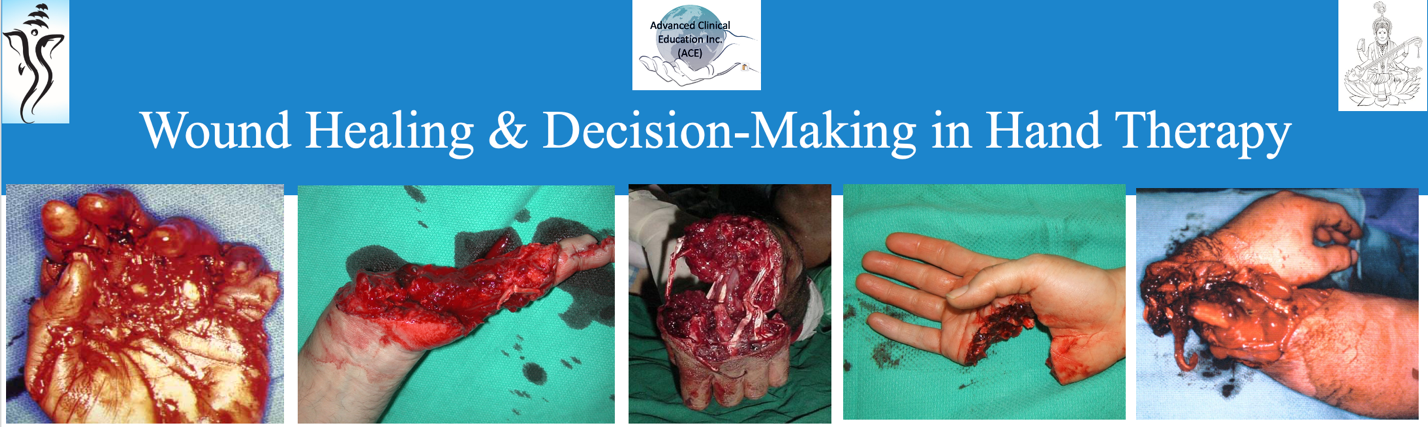
Following injury, tissues progress through inflammatory, proliferative, and remodeling phases,each marked by distinct physiological, biochemical, and biomechanical…

Following injury, tissues progress through inflammatory, proliferative, and remodeling phases,
each marked by distinct physiological, biochemical, and biomechanical changes and tissue-
specific healing timelines. Although prolonged rest and immobilization were once considered
essential, experimental and animal studies have shown that extended immobilization leads to loss
of viscoelastic properties, reduced tissue extensibility, and early contracture formation,
particularly within the first three weeks after injury. During the proliferative phase, collagen is
deposited in a random pattern, and without appropriate mechanical stress this disorganization
may persist, resulting in dense scar tissue that limits motion and contributes to tendon adhesions,
joint stiffness, and impaired tissue dynamics.
Controlled application of internal and external stresses, guided by induction and tension theories,
is essential for optimal tissue remodeling. Appropriately timed stress promotes organized
collagen alignment, improves viscoelasticity, enhances glycosaminoglycan production, and
restores normal tissue and joint function. This webinar reviews the phases of tissue healing and
the physiological rationale for stress application at each stage, emphasizing clinical reasoning for
the use of internal stresses early, external stresses later, and combined stresses during
remodeling. Representative clinical cases demonstrate practical application in both simple and
complex multi-tissue injuries.
Learning Objectives
Upon completion of this webinar, participants will be able to: