The upper extremity is highly susceptible to injury due to its continual involvement in daily,occupational and recreational…
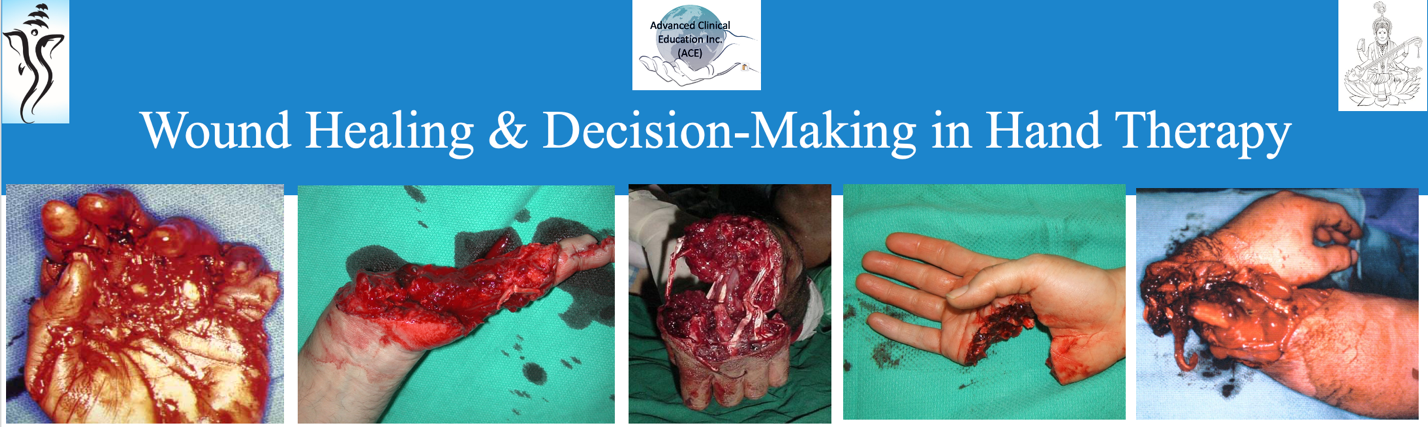
The upper extremity is highly susceptible to injury due to its continual involvement in daily,
occupational and recreational activities. Following trauma, tissues progress through the
inflammatory, proliferative, and remodeling phases of healing, each associated with specific
physiological, biochemical, and biomechanical changes. The tissues of the hand—skin, tendon,
ligament, nerve, and bone—heal at different rates and demonstrate tissue-specific responses
within defined time frames.
Experimental and clinical evidence indicates that the viscoelastic properties of healing tissues
progressively decline, increasing the risk of contracture formation, particularly during the first
three weeks after injury. Accordingly, accurate and timely therapeutic decision making
throughout the healing continuum is essential to restore tissue balance and optimize functional
recovery.
This webinar reviews the healing characteristics of key upper extremity tissues and emphasizes
phase-specific clinical reasoning. It highlights the strategic application of evidence-informed
interventions, grounded in tissue mechanics, to enhance motion, strength, and overall functional
outcomes.
Learning Objectives
Upon completion of this webinar, participants will be able to: